Book:
Using History In Your Daily Life
Merchandise:

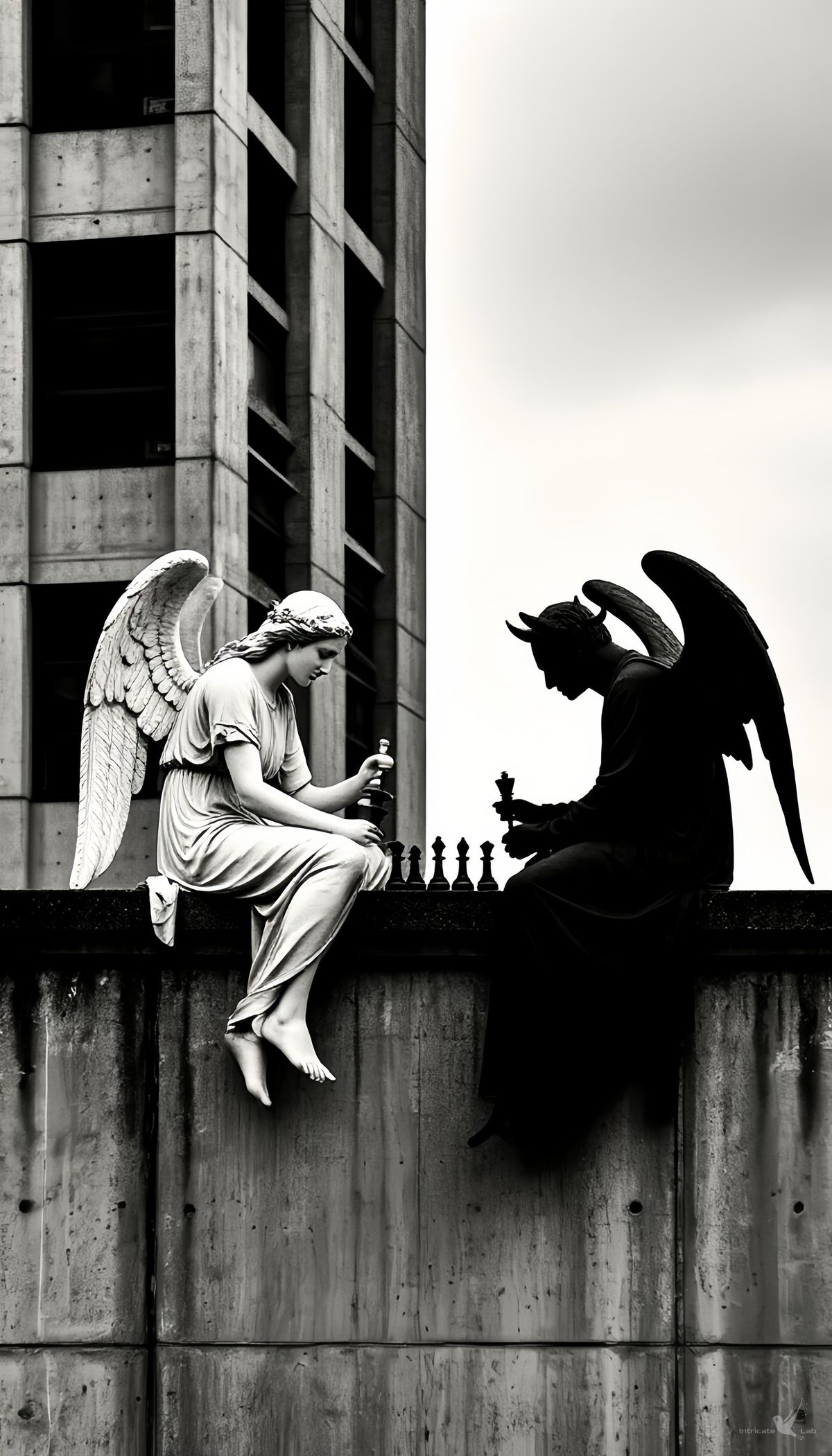
Sola scriptura means at least this: that the church’s proclamation is always subject to potential correction from the canon. – Kevin Vanhoozer
Sola Scriptura, or “Bible alone, (end all, be all.)” is another topic that split the Protestants from the Catholic Church. Led by Martin Luther, the idea was that the Bible is the “infallible authority” over the faith.
In this blog, we will be looking at the pros and cons of both, finding paradigms and paradoxes, and questions to allow YOU to come to your own conclusion.
The Catholic Church was and still is, very powerful and ritualistic. Their sacraments and creeds allowed for many devout Christians to translate, outreach, and succumb to martyrdom through their faith-built fire. The early church conversational thought is valuably important for the present time, as we can now see both sides of any biblical ideology.
The Protestants allowed for that questioning to be brought back into play, by going against the powerful church. Many figures like Luther, Calvin, and even Kierkegaard allowed for Churchly “checks & balances.” They believed that the word was, and will be, the final authority over human interpretation.
Conversation and questioning are a good thing; do not allow for common discourse to become uncommon through unrighteous emotion.
Some arguments for sola scriptura would be that Bible verses can be interpreted to support the thought. But is this not human (anti sola scriptura) interpretation?
Some counter arguments for sola scriptura would be that the Bible was written by man to begin with. But do Catholics not believe that the Holy Spirit can change bread to flesh through transubstantiation?
The rhetoric is great, but the indirect hypocritical symbolism is also present.
When you come across huge Biblical doctrine problems, you must take it as unbiased as possible. Was God not working through humans that wrote the Bible? Did Peter & Paul not debate constantly? You can find really good arguments for both, but as I have said before, the finish line stays the same:
No matter if you are right or wrong, Jesus died for your sins anyway.
If your faith is in Jesus, then you are saved. No human, no ritual, no non-essential ideology can save you. Only Jesus can. So yes, it is fun to try and pick a side when it comes to church-splitting debates, but did Jesus not want us to all come together and worship him? Why has human thought and ritual split the footrace?
It all has the same finish line, and that is Jesus.
If you are wrong about the eucharist, Jesus forgives you and you are in heaven. If you are wrong about sola scriptura, Jesus forgives you and you are in heaven. Jesus died for our wrongful thoughts, our human mistakes, and our sins.
Do not limit God’s power to human thought, do not choose church over God, and do not choose a non-essential over an essential.
God is eternal, and he granted you such through mercy and love.